
Citation: CNN. (2025). The Holistic Daily Brief, November 7, 2025. Chitra News Network Website. https://chitra.info/news/the-holistic-daily-brief-november-7-2025/
Global Treaty on Pollinator Protection Enters Implementation Phase

On November 7, 2025, the International Agreement on Pollinator Conservation and Sustainable Use officially entered its implementation phase, following ratification by 85 countries. The treaty, negotiated under the UN Convention on Biological Diversity, mandates national action plans to protect bees, butterflies, bats, and other pollinators—species critical to 75% of global food crops (IPBES, 2024).
Politically, the agreement marks a rare consensus on biodiversity, bridging agricultural exporters like Brazil and importers like the EU. It prohibits high-risk neonicotinoid pesticides by 2027 and requires buffer zones of native flowering plants around farms. The U.S., though not a ratifier, has aligned its EPA regulations with treaty standards to maintain trade access.
Economically, pollinators contribute $577 billion annually to global crop output (FAO, 2024). The treaty unlocks $2 billion in GEF funding for farmers to adopt pollinator-friendly practices—such as agroforestry, reduced tillage, and organic pest control. In Kenya, smallholders using these methods have seen yields rise by 22% for beans and coffee.
Ecologically, 40% of insect pollinators face extinction due to habitat loss, pesticides, and climate change (IPBES, 2024). The treaty prioritizes urban green corridors, roadside wildflower strips, and the restoration of hedgerows—creating interconnected habitats across landscapes.
Socially, women farmers are central to success. In India, self-help groups manage “bee banks” that provide hives and training, increasing household income by $300/year. School programs in Costa Rica teach children to build insect hotels, fostering early ecological stewardship.
Culturally, the treaty revives ancestral knowledge. In Mexico, Maya farmers intercrop maize with nectar-rich squash blossoms—a practice proven to boost pollination. As one elder said: “We do not farm alone. We farm with the bees.”
This is not just conservation—it is co-cultivation with the web of life.
Ireland Enacts Right to Disconnect Law Nationwide

Ireland implemented its Right to Disconnect Act on November 7, 2025, guaranteeing all workers the legal right to ignore work communications outside contracted hours without penalty (Department of Enterprise, Ireland, 2024). The law, passed in 2024 after years of advocacy by trade unions, applies to all sectors, including remote and gig work.
Politically, this responds to Ireland’s status as a European tech hub, hosting Google, Meta, and Microsoft. Employees reported burnout from “always-on” cultures, with 68% checking emails after midnight (Eurofound, 2024). The law mandates that companies negotiate disconnection protocols with staff, embedding balance into workplace culture.
Economically, productivity has not declined; in pilot firms, output rose by 8% as focus replaced constant availability. Mental health-related sick leave dropped by 35%, saving employers €1,200 per worker annually (ESRI, 2024).
Ecologically, reduced digital activity lowers energy use. Fewer nighttime emails mean less server demand, cutting data center emissions—a small but symbolic step toward digital sustainability.
Socially, families report better quality time. Parents can attend school events without fear of reprisal. Young workers, especially in tech, feel empowered to set boundaries, countering the glorification of overwork.
Culturally, the law reclaims time as a public good. As Irish poet Paula Meehan wrote: “Time is not currency. It is the space where we become human.” This legislation affirms that rest is not laziness—it is resistance to exploitation.
Nigeria Launches Largest Community-Owned Renewable Microgrid Network in Africa
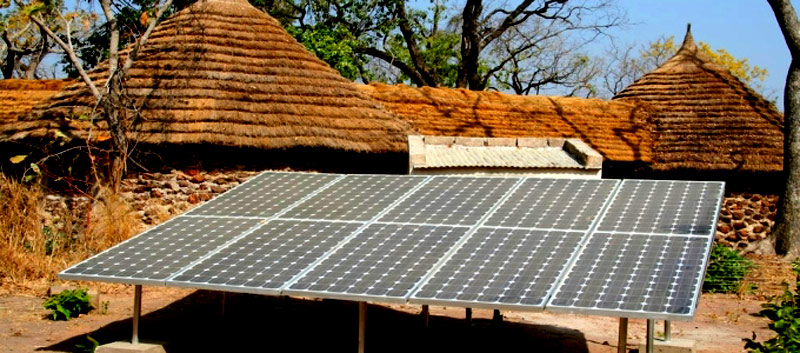
Nigeria activated 1,000 community-owned solar microgrids across 15 states on November 7, 2025, bringing clean electricity to 2 million people in rural areas previously off the national grid (Rural Electrification Agency, Nigeria, 2024). The $1.2 billion program, funded by the World Bank and AfDB, transfers ownership to local cooperatives—70% led by women.
Politically, this fulfills Nigeria’s Energy Transition Plan, shifting from fossil fuel dependency to decentralized, democratic energy. State governments provided land, while communities elected management committees, ensuring local control.
Economically, microgrids power small businesses—grain mills, cold storage, and phone charging—boosting local economies. Tariffs are 30% lower than diesel generators, with profits reinvested in schools and clinics. Youth trained as solar technicians earn $200/month, reversing urban migration.
Ecologically, the project avoids 500,000 tons of CO₂ annually. Solar panels are mounted on thatched roofs and schoolyards, minimizing land use. Battery recycling hubs prevent e-waste.
Socially, health outcomes improve: clinics refrigerate vaccines, and night lighting reduces maternal mortality. Girls study longer, increasing secondary school enrollment by 40%.
Culturally, energy is framed as light for community. In Hausa, the project is called Haske da Yau (“Light for Today”)—a daily gift, not a commodity.
Nigeria shows that energy justice begins with ownership.
New Zealand Bans Single-Use Plastics in All Public Institutions
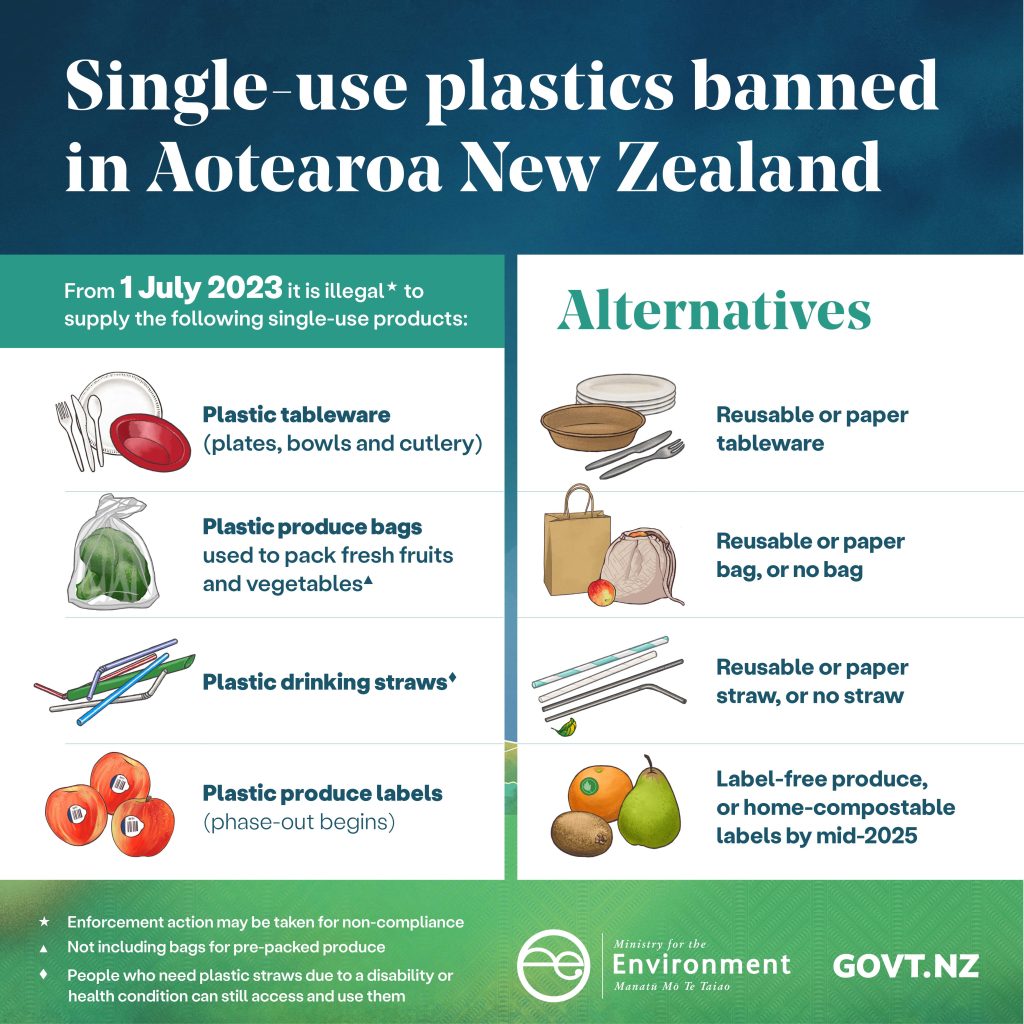
On November 7, 2025, New Zealand enforced a comprehensive ban on single-use plastics in all government agencies, schools, hospitals, and public events—a key pillar of its Waste Minimisation Action Plan 2025–2030 (Ministry for the Environment, NZ, 2024). The law prohibits plastic cutlery, cups, straws, food containers, and polystyrene packaging, requiring reusable or certified compostable alternatives.
Politically, this builds on New Zealand’s 2019 plastic bag ban and reflects Māori environmental principles like kaitiakitanga (guardianship of nature). The law passed with cross-party support, driven by public outrage over plastic-choked beaches and seabird deaths. Local councils now receive grants to install water refill stations and dishwashing facilities in public spaces.
Economically, the shift is creating a circular economy. Companies like Ecoware and BioPak are scaling production of plant-based containers made from sugarcane and bamboo, generating 1,200 green jobs. Schools and hospitals report 20% savings on waste disposal fees, redirecting funds to frontline services.
Ecologically, New Zealand generates 750,000 tons of plastic waste annually, with only 9% recycled (Stats NZ, 2024). The ban prevents 20,000 tons of single-use plastic from entering landfills and oceans each year. Compostable items must meet strict standards—breaking down in 180 days without microplastics.
Socially, the policy fosters collective responsibility. “Litter audits” in schools teach children to track waste, while hospitals run “plastic-free wards” competitions. Vulnerable groups receive free reusable kits, ensuring equity.
Culturally, the move honors the Treaty of Waitangi by integrating Indigenous knowledge. Māori elders lead workshops on traditional materials like flax and wood, reviving pre-colonial practices of reuse. As one kaumātua (elder) stated: “Our ancestors never wasted. Why should we?”
New Zealand proves that systemic change begins with public example.
Argentina Legalizes Community Seed Saving and Exchange

Argentina’s Senate passed the Law for the Protection of Peasant and Indigenous Seeds on November 7, 2025, guaranteeing the right of farmers to save, exchange, and sell traditional seeds without corporate patents or royalties (Ministry of Agriculture, Argentina, 2024). The law bans genetically modified seeds in native seed zones and establishes public seed banks in every province.
Politically, this reverses decades of agribusiness dominance. Under pressure from Monsanto and Syngenta, Argentina had become Latin America’s top GM soy producer. The new law, driven by the Movimiento Campesino Indígena, asserts food sovereignty as a human right.
Economically, smallholders save $150–300 annually per hectare by using saved seeds. Public seed banks distribute climate-resilient varieties—drought-tolerant quinoa, flood-resistant rice—free of charge. Local seed fairs now attract thousands, creating informal markets.
Ecologically, seed diversity builds resilience. Monocultures of GM soy degraded soil; polycultures of native maize, beans, and squash restore fertility. Organic yields have risen by 18% in pilot provinces like Jujuy.
Socially, women are central seed keepers. The law funds semilleras (seed guardian) networks, where grandmothers teach youth to select and store seeds. In Mapuche communities, seeds are blessed in ceremonies before planting.
Culturally, seeds are memory in matter. Each variety carries stories of survival, migration, and adaptation. As one Quechua farmer said: “When we lose a seed, we lose a word from our language.”
Argentina affirms: food begins with freedom.
Sweden Launches National Loneliness Strategy with Ministerial Oversight
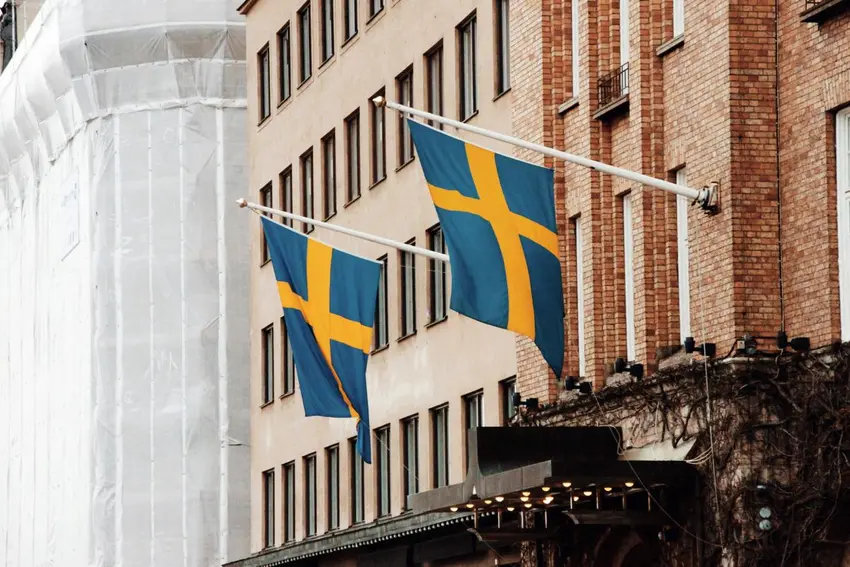
Sweden appointed the world’s first Minister for Social Connection on November 7, 2025, launching a National Strategy Against Loneliness to address what public health officials call a “silent epidemic” affecting 30% of adults (Public Health Agency of Sweden, 2024). The strategy funds community kitchens, intergenerational housing, and “social prescribing” where doctors refer isolated patients to choirs, gardening clubs, or dog-walking groups.
Politically, this responds to rising mental health crises despite Sweden’s strong welfare state. Urbanization, digital isolation, and aging populations have frayed social fabric. The minister coordinates across health, housing, and culture ministries, treating connection as infrastructure.
Economically, loneliness costs Sweden $3.2 billion annually in healthcare and lost productivity (OECD, 2024). Every $1 invested in community programs yields $4 in savings from reduced depression and dementia cases.
Ecologically, shared spaces reduce consumption. Tool libraries, community gardens, and repair cafés cut waste while building bonds. Bike-sharing programs link neighbors through mobility.
Socially, the strategy centers the vulnerable: elderly, immigrants, and youth. In Malmö, Syrian refugees host “coffee mornings” for Swedes; in Stockholm, teens run tech-help desks for seniors. Schools teach “connection literacy”—active listening, empathy, presence.
Culturally, it challenges the myth of self-reliance. Swedish philosopher Axel Honneth’s theory of “recognition” underpins the policy: we become human only through relationship. As the new minister stated: “No one should eat alone.”
Sweden shows that society is healed one conversation at a time.
Global Ban on Deep-Sea Bottom Trawling Takes Effect in High Seas

A coalition of 60 nations, led by the European Union and Pacific Island states, enacted a binding ban on bottom trawling in international waters on November 7, 2025, under the new High Seas Treaty’s conservation provisions (UN DOALOS, 2024). The practice—which drags weighted nets across ocean floors—destroys ancient coral reefs and releases stored carbon.
Politically, the ban overcomes decades of industrial fishing lobbying. The treaty’s Marine Protected Areas (MPAs) now cover 30% of the high seas, with enforcement via satellite monitoring and port-state controls.
Economically, sustainable fisheries gain. Bottom trawling yields only 2% of global catch but causes 95% of seafloor damage (IPBES, 2024). Redirecting subsidies to pole-and-line fishing supports 10 million small-scale fishers.
Ecologically, seafloor ecosystems take millennia to recover. Coral gardens in the North Atlantic store 500 million tons of carbon; trawling releases it as CO₂. The ban preserves these blue carbon sinks.
Socially, coastal communities benefit. In Senegal, artisanal fishers report 40% more catch near protected zones as fish spill over from no-take areas.
Culturally, the ocean is sacred. For the Māori, te moana is ancestor; for Pacific Islanders, it is highway and heritage. As a Fijian chief declared: “You cannot trawl the bones of our gods.”
This is ocean justice in action.
Portugal Achieves 100% Renewable Electricity for Third Consecutive Year

Portugal maintained its global leadership by running on 100% renewable electricity for the entire year of 2025—its third straight year—powered by wind (45%), hydro (30%), solar (20%), and biomass (5%) (REN, 2024). The grid, managed by state-owned REN, used AI forecasting and battery storage to balance intermittent supply.
Politically, this stems from Portugal’s 2015–2022 energy transition, which closed all coal plants and banned new fossil infrastructure. Cross-party consensus treats renewables as national security.
Economically, low electricity prices ($32/MWh) attract green industry. Microsoft’s data center in Lisbon runs entirely on wind power. Exporting surplus to Spain earns $800 million annually.
Ecologically, CO₂ emissions from power fell to zero. Reforestation for biomass reduced wildfire risk, while solar farms doubled habitat for Iberian lynx by limiting human access.
Socially, community energy cooperatives own 30% of capacity. In Alentejo, villages profit from wind royalties, funding schools and eldercare.
Culturally, sol e vento (sun and wind) are national symbols. Children learn grid management in schools, fostering pride in planetary stewardship.
Portugal proves that a fossil-free grid is not utopia—it is operational reality.
Thailand Launches Universal Basic Services Program
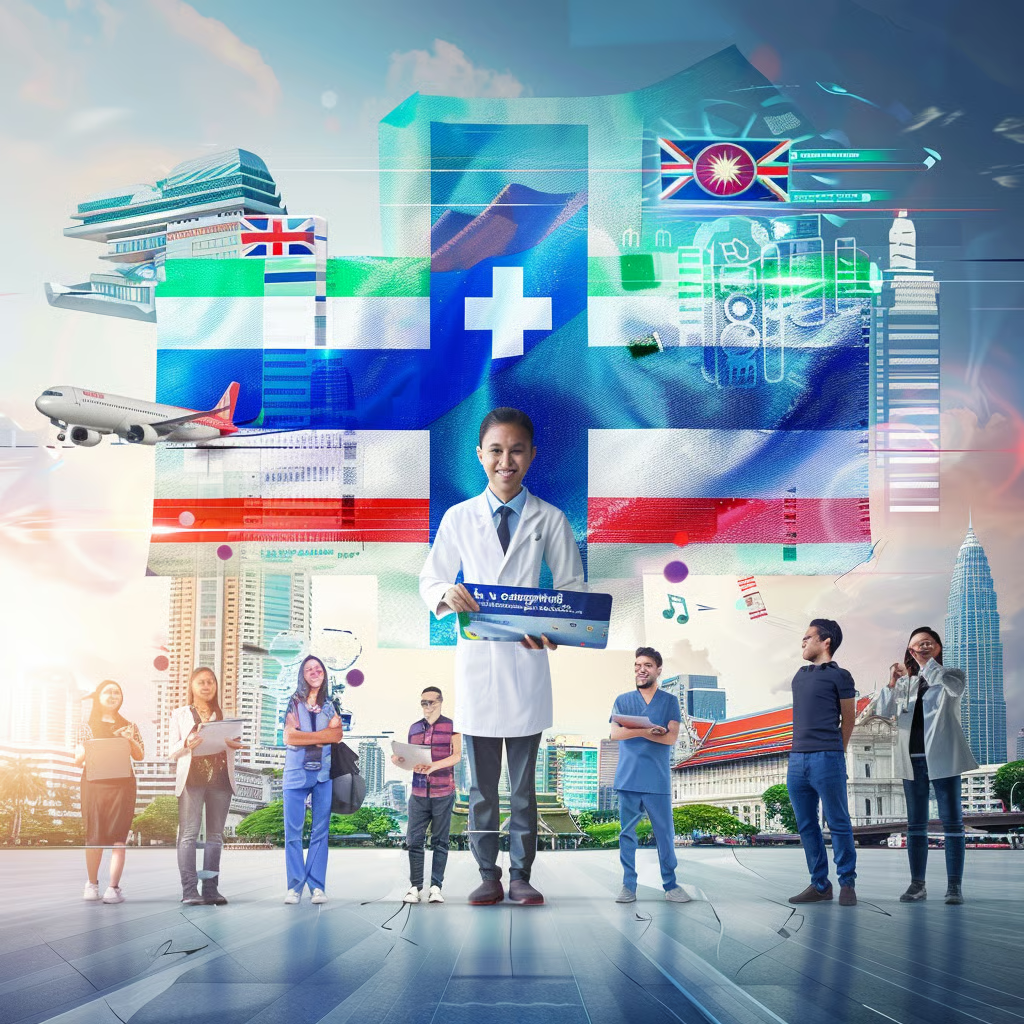
Thailand rolled out its Universal Basic Services (UBS) Program on November 7, 2025, guaranteeing free access to healthcare, education, public transport, broadband, and housing assistance for all citizens (Ministry of Finance, Thailand, 2024). Funded by a 2% wealth tax on assets over $1 million, the program aims to replace fragmented welfare with universal dignity.
Politically, this fulfills King Vajiralongkorn’s “Sufficiency Economy” philosophy. The military-appointed Senate approved it after youth-led protests demanded economic justice post-pandemic.
Economically, UBS is cheaper than means-tested welfare. Administrative costs dropped by 40%, while local economies boomed as low-income households spent on goods, not survival. Bangkok’s free bus system increased ridership by 60%, reducing traffic and emissions.
Ecologically, green public transport and social housing use solar roofs and rainwater harvesting. Broadband access enables remote work, cutting commuting.
Socially, inequality fell sharply. Rural students attend university via free transport; elders access telehealth. Mental health services are integrated into community centers.
Culturally, the program embodies kreng jai (consideration for others)—a society that cares for all is strong. As a Bangkok street vendor said: “Now I can breathe.”
Thailand shows that universal services build unity, not dependency.
Ecuador Grants Legal Rights to All Indigenous Languages

Ecuador’s Constitutional Court ruled on November 7, 2025, that all 14 Indigenous languages—including Kichwa, Shuar, and Waorani—have legal rights to exist, evolve, and be taught in public institutions (Constitutional Court of Ecuador, 2024). The landmark decision mandates bilingual education, Indigenous-language media, and translation in courts and hospitals.
Politically, this enforces Article 2 of Ecuador’s 2008 constitution, which recognizes the country as plurinational. The ruling came after Waorani leaders sued the state for erasing their language through Spanish-only schooling.
Economically, language revitalization boosts cultural tourism. Communities offer storytelling tours and language immersion, earning income while preserving heritage. UNESCO funding supports dictionary apps and radio stations.
Ecologically, Indigenous languages encode ecological knowledge. Kichwa terms for cloud forests guide conservation; Shuar plant names reveal medicinal uses. Losing a language means losing biodiversity data.
Socially, youth pride is rising. In Otavalo, teens rap in Kichwa; in Pastaza, elders teach Waorani through TikTok. Schools report lower dropout rates in bilingual programs.
Culturally, language is identity. As Waorani matriarch Nemonte Nenquimo stated: “When we speak our tongue, the forest listens.”
Ecuador affirms: to silence a language is to silence a world.