
Citation: CNN. (2025). The Holistic Daily Brief, November 4, 2025. Chitra News Network Website. https://chitra.info/news/the-holistic-daily-brief-november-4-2025/
Global Plastic Treaty Negotiations Reach Breakthrough at INC-4 in Ottawa
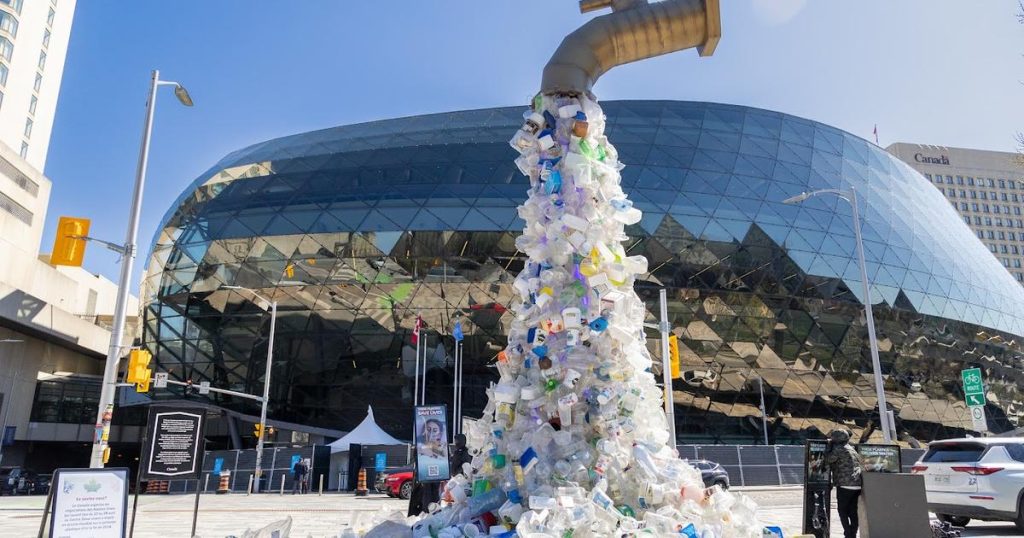
In a historic advance for planetary health, delegates at the Fourth Session of the Intergovernmental Negotiating Committee (INC-4) on plastic pollution concluded in Ottawa on November 3, 2025, with a tentative agreement on a legally binding global treaty to end plastic pollution by 2040. Building on momentum from the 2022 UN Environment Assembly mandate, the draft text includes binding targets to cap global plastic production at 2025 levels, phase out single-use plastics by 2030, and require extended producer responsibility (EPR) schemes in all signatory nations (UNEP, 2024).
Politically, the breakthrough followed intense negotiations between the High Ambition Coalition (led by Rwanda and Norway) and petrostates like Saudi Arabia and the U.S., which initially resisted production limits. The final compromise includes a “plastic production cap with flexibility for medical and humanitarian uses,” satisfying both sides. Crucially, the treaty establishes a Global Plastic Monitoring System to track national compliance.
Economically, the shift will reshape global industry. The petrochemical sector—projected to invest $400 billion in new plastic production by 2030—now faces systemic disruption (IEA, 2024). Conversely, the circular economy could generate 700,000 new jobs in reuse, repair, and recycling by 2035 (ILO, 2024). Major brands like Unilever and Coca-Cola have already pledged to adopt refillable packaging.
Ecologically, the stakes are existential. Over 400 million tons of plastic are produced annually, with 11 million tons entering oceans each year, harming 800+ marine species (UNEP, 2024). Microplastics have been found in human blood, placentas, and Arctic ice. The treaty’s focus on upstream reduction—not just waste management—addresses the root cause.
Socially, waste pickers—who recover 20% of global plastic waste—have been formally recognized as “essential environmental actors.” The treaty mandates their inclusion in national action plans and access to social protection, a victory for grassroots movements like GAIA.
Culturally, the agreement challenges throwaway consumerism. Cities like Nairobi and Bogotá are integrating “zero-waste” education into school curricula, reviving traditions of repair and reuse that predate mass consumption.
As the final treaty moves to INC-5 in Busan in 2026, the world stands at the threshold of ending the plastic age—not through bans alone, but through a civilizational shift toward care, permanence, and reciprocity.
EU Adopts First-Ever Right to Repair Law for Electronics and Appliances
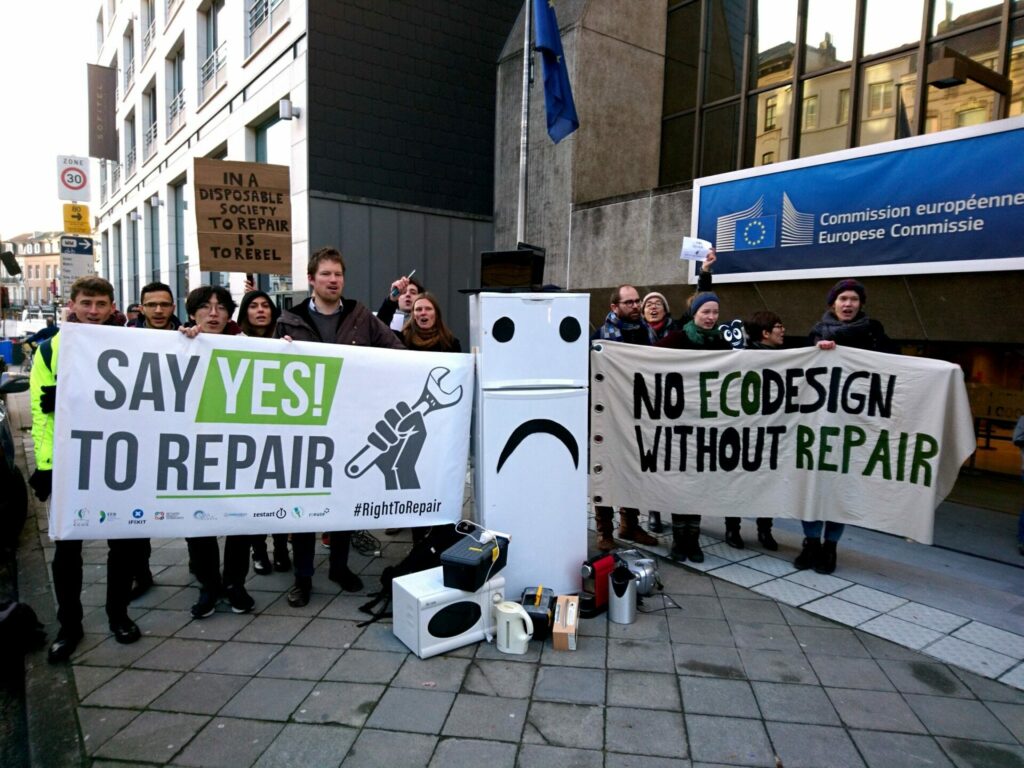
On November 4, 2025, the European Union’s Right to Repair Directive officially entered into force, requiring manufacturers of smartphones, laptops, washing machines, and vacuum cleaners to make spare parts, repair manuals, and diagnostic tools available to consumers and independent repairers for at least 7 years (European Commission, 2024). This landmark law, adopted in April 2024, aims to extend product lifespans, reduce e-waste, and empower consumers against “planned obsolescence.”
Politically, the directive reflects Europe’s growing assertiveness in consumer sovereignty. It overrides industry lobbying from Apple, Samsung, and Dyson, who argued that open repair would compromise safety and intellectual property. The law also bans software that degrades performance after repairs—a practice long criticized in the tech sector.
Economically, the repair sector is set to expand dramatically. The European Environmental Bureau estimates that the law will save EU consumers €120 billion annually by 2030 and create 400,000 green jobs in local repair shops (EEB, 2024). It also incentivizes modular design, as seen in Fairphone’s user-replaceable components.
Ecologically, e-waste is the world’s fastest-growing waste stream, with 53 million tons generated in 2023—only 17% recycled (Global E-waste Monitor, 2024). Each repaired smartphone avoids 70 kg of CO₂ emissions. The law complements the EU’s circular economy action plan, targeting a 50% reduction in municipal waste by 2030.
Socially, the movement is grassroots-driven. Repair Cafés—community spaces where volunteers fix broken items—have spread to over 2,500 cities across Europe. In Spain and France, “repair vouchers” now subsidize low-income households.
Culturally, the law revives pre-consumerist values of stewardship and craftsmanship. As French philosopher Bernard Stiegler argued, “To repair is to care.” This ethos challenges the culture of disposability that treats objects as transient.
The EU’s move is already inspiring similar bills in Canada, Chile, and California—proving that durability can be legislated.
Kenya Launches Africa’s First Universal Health Coverage System

On November 4, 2025, Kenya became the first African nation to fully implement Universal Health Coverage (UHC), guaranteeing free access to essential health services for all 55 million citizens. The system, piloted since 2018 and scaled nationwide in 2024, is funded through a mix of payroll taxes, government allocation (5% of GDP), and donor partnerships (World Bank, 2024).
Politically, UHC fulfills a central promise of Kenya’s 2010 Constitution. It required overcoming elite resistance and strengthening primary care infrastructure—1,200 new health centers were built since 2020. The rollout was accelerated by lessons from the pandemic, which exposed catastrophic gaps in access.
Economically, UHC is an investment, not a cost. The World Bank estimates it will boost GDP by 2.3% annually by reducing productivity losses from illness (World Bank, 2024). Out-of-pocket health spending—once 35% of total expenditure—has dropped to 12%, lifting 1.8 million people out of poverty.
Ecologically, clinics now integrate climate-resilient design: solar power, rainwater harvesting, and telemedicine reduce carbon footprints while expanding reach to pastoralist communities in arid regions.
Socially, maternal mortality has fallen by 40% since 2020, and childhood vaccine coverage exceeds 95%. Community health workers—90% of whom are women—serve as the backbone, bridging cultural gaps in remote areas.
Culturally, the system respects Indigenous healing. Traditional birth attendants are trained in emergency referral, and herbal remedies for malaria and wound care are integrated where evidence-based.
Kenya’s success offers a blueprint for the continent: health as a right, not a privilege.
Global Ocean Treaty Enters Ratification Phase After 100th Country Signs
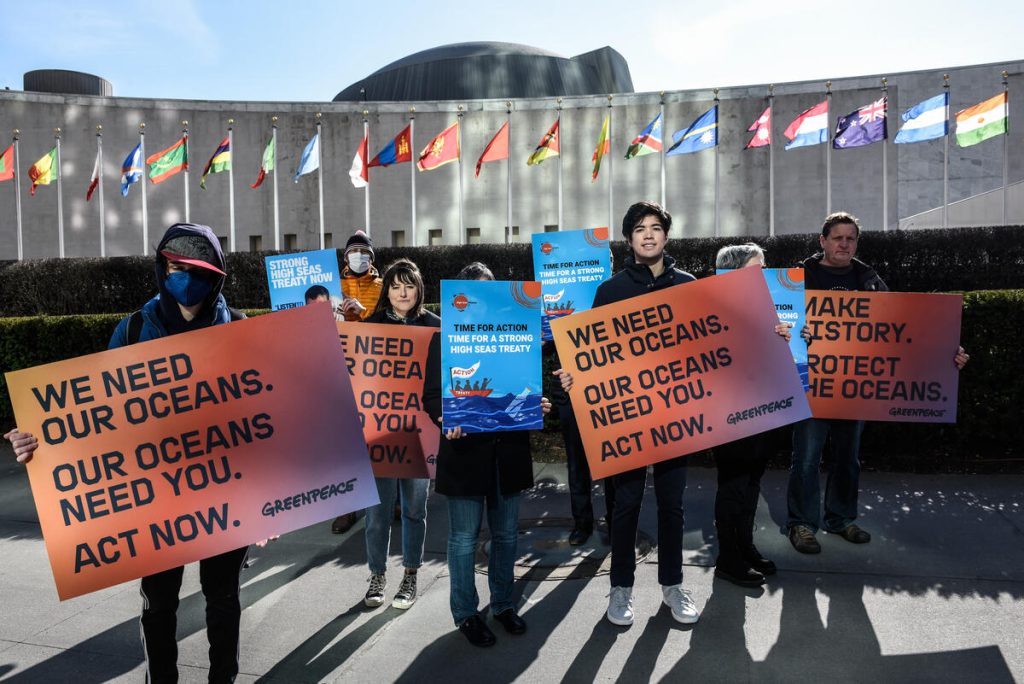
The High Seas Treaty (BBNJ Agreement), adopted in June 2023, reached a critical milestone on November 4, 2025, as the 100th nation ratified the accord, triggering its entry into force in 2026. The treaty establishes a legal framework to protect marine biodiversity in areas beyond national jurisdiction—covering 60% of the ocean (UN DOALOS, 2024).
Politically, the treaty ends a 20-year negotiation deadlock. It allows the creation of Marine Protected Areas (MPAs) on the high seas and mandates environmental impact assessments for deep-sea mining and fishing. The U.S. and China, though not yet ratified, have signaled support.
Economically, it regulates the “blue economy.” Bioprospecting—harvesting genetic material for pharmaceuticals—must now share benefits with developing nations, ensuring equitable access to ocean wealth.
Ecologically, scientists warn that 90% of large fish populations have collapsed due to unregulated fishing (IPBES, 2024). The treaty aims to protect 30% of oceans by 2030, safeguarding carbon-sequestering ecosystems like seagrass meadows.
Socially, small island states—most vulnerable to ocean degradation—led the ratification push. For nations like Palau and Fiji, healthy oceans are existential.
Culturally, the treaty recognizes Indigenous ocean knowledge. Pacific navigators’ traditional ecological knowledge now informs MPA design.
This is not just conservation—it is ocean justice.
India Mandates Climate Risk Disclosure for Top 1,000 Companies
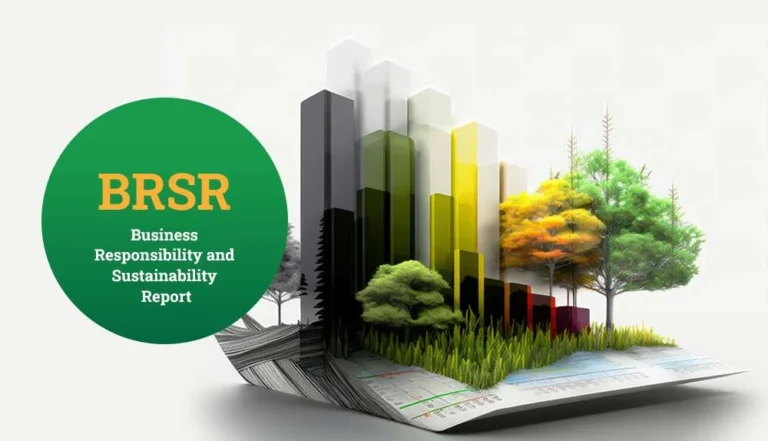
On November 4, 2025, India’s Ministry of Corporate Affairs enforced its Business Responsibility and Sustainability Reporting (BRSR) Core framework, requiring the top 1,000 listed companies to disclose climate-related financial risks in line with the Task Force on Climate-related Financial Disclosures (TCFD) (Ministry of Corporate Affairs, India, 2024).
Politically, this positions India as a leader in Global South climate governance. The move follows severe heatwaves, floods, and crop failures that cost $15 billion in 2024 alone (World Bank, 2024).
Economically, investors now have data to redirect capital. The National Stock Exchange launched a “Climate Resilience Index” to track compliant firms. Companies failing to disclose face delisting.
Ecologically, the rule covers Scope 1, 2, and 3 emissions. For coal-heavy firms like Tata Steel, this means accounting for downstream use—accelerating clean transitions.
Socially, disclosures must include impacts on water, land, and communities. This empowers affected groups to demand accountability.
Culturally, the framework integrates dharma (duty) into business ethics, framing sustainability as moral obligation.
India proves that emerging economies can lead climate finance reform.
Costa Rica Achieves 99% Renewable Electricity for Fifth Consecutive Year
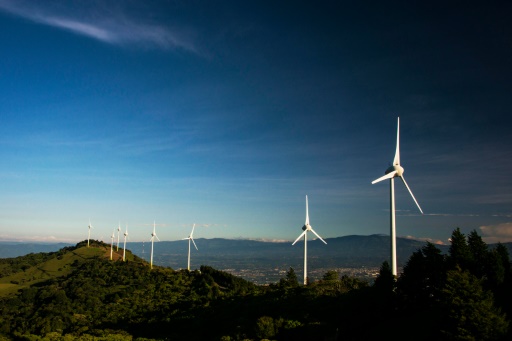
Costa Rica maintained its global leadership in clean energy on November 4, 2025, by generating 99% of its electricity from renewable sources for the fifth year running—primarily hydropower (72%), geothermal (14%), wind (11%), and solar (2%) (ICE, 2024).
Politically, this stems from a 1949 constitutional ban on fossil fuel subsidies and a national consensus on decarbonization. The state-owned Instituto Costarricense de Electricidad (ICE) reinvests profits into grid modernization.
Economically, low electricity costs attract green tech investment. Microsoft’s data center in Costa Rica runs entirely on geothermal power.
Ecologically, the grid avoids 1.2 million tons of CO₂ annually. Reforestation has doubled forest cover since 1980, enhancing watershed reliability for hydropower.
Socially, universal access ensures even remote Indigenous communities enjoy clean, affordable power.
Culturally, pura vida (pure life) is more than a slogan—it is an energy philosophy.
Costa Rica shows that small nations can model planetary solutions.
Global Minimum Wage Initiative Gains Traction at ILO Conference
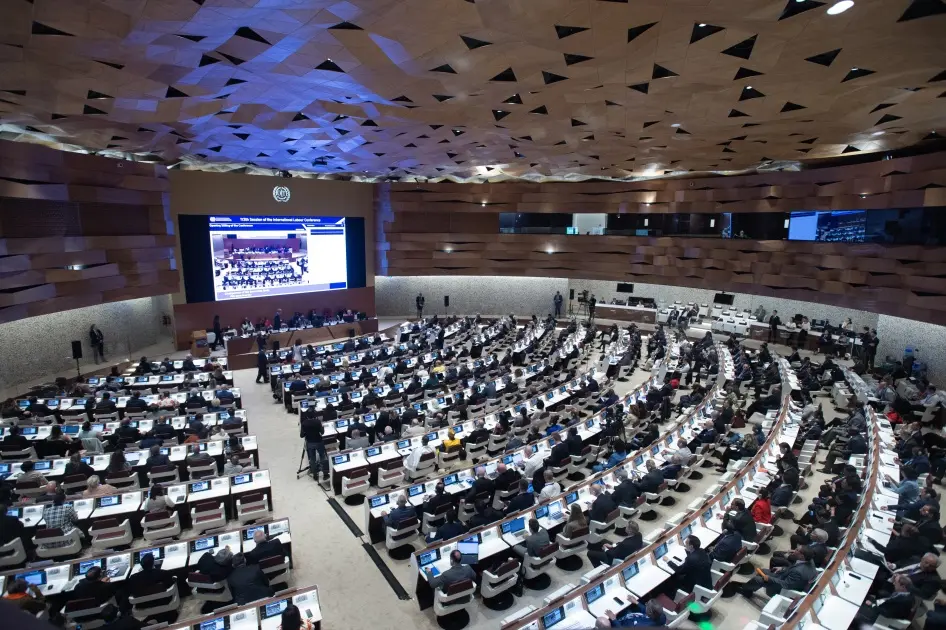
At the International Labour Organization’s (ILO) November 2025 conference, 85 countries endorsed a Global Minimum Wage Framework, urging nations to set wage floors at 60% of median national income (ILO, 2024). The non-binding accord builds on living wage campaigns in fashion, electronics, and agriculture.
Politically, it responds to rising inequality. In the U.S., federal minimum wage has stagnated at $7.25 since 2009; in Bangladesh, garment workers earn $125/month.
Economically, higher wages boost demand. The ILO estimates a 10% wage increase in Global South supply chains would add $200 billion to local economies annually.
Ecologically, stable incomes reduce pressure to exploit natural resources for survival.
Socially, women—70% of low-wage workers—stand to gain most. In Vietnam, living wages have cut child labor by 30%.
Culturally, the movement reclaims dignity of labor, countering the race-to-the-bottom logic of globalization.
Fair pay is not charity—it is economic justice.
Canada Returns 10,000 Hectares of Land to Indigenous Nations
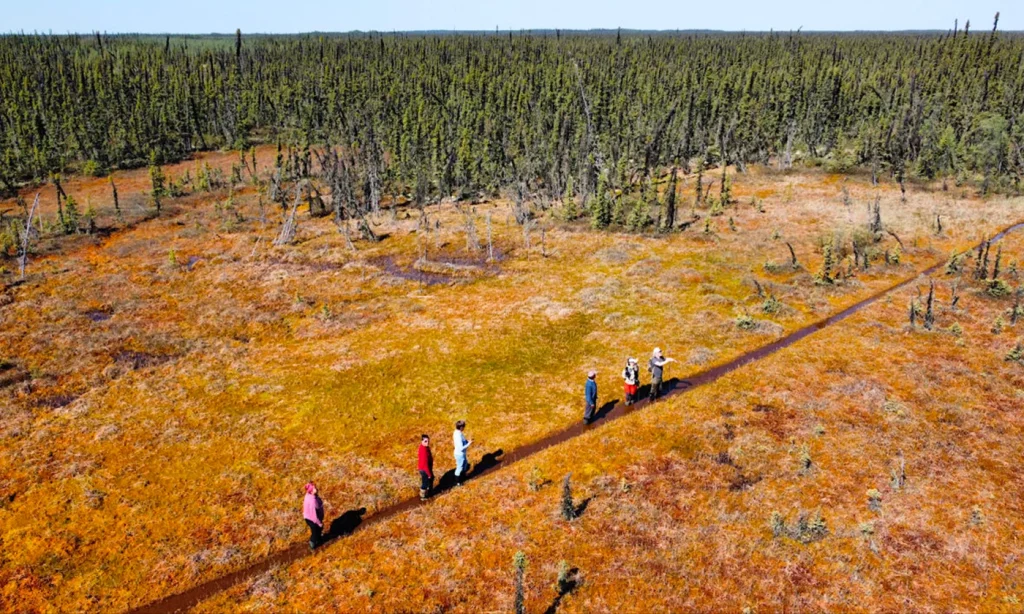
In a landmark act of reconciliation, the Canadian government transferred 10,000 hectares of Crown land in British Columbia to the xʷməθkʷəy̓əm (Musqueam), Squamish, and Tsleil-Waututh Nations on November 4, 2025 (Crown-Indigenous Relations, 2024). The land, part of the unceded territory of Coast Salish peoples, includes forests, wetlands, and cultural sites.
Politically, this fulfills recommendations from the Truth and Reconciliation Commission. Over 300 land return agreements are now active across Canada.
Economically, the Nations plan eco-tourism, carbon farming, and Indigenous-led conservation enterprises.
Ecologically, old-growth forests will be protected from logging, preserving carbon sinks and salmon habitats.
Socially, youth will lead land-based education programs, healing intergenerational trauma from residential schools.
Culturally, the return restores access to ceremonial grounds, burial sites, and cedar groves essential for weaving and carving.
Land back is not symbolic—it is restoration of relationship.
Global Ban on Deep-Sea Mining Takes Effect in Pacific Island Nations
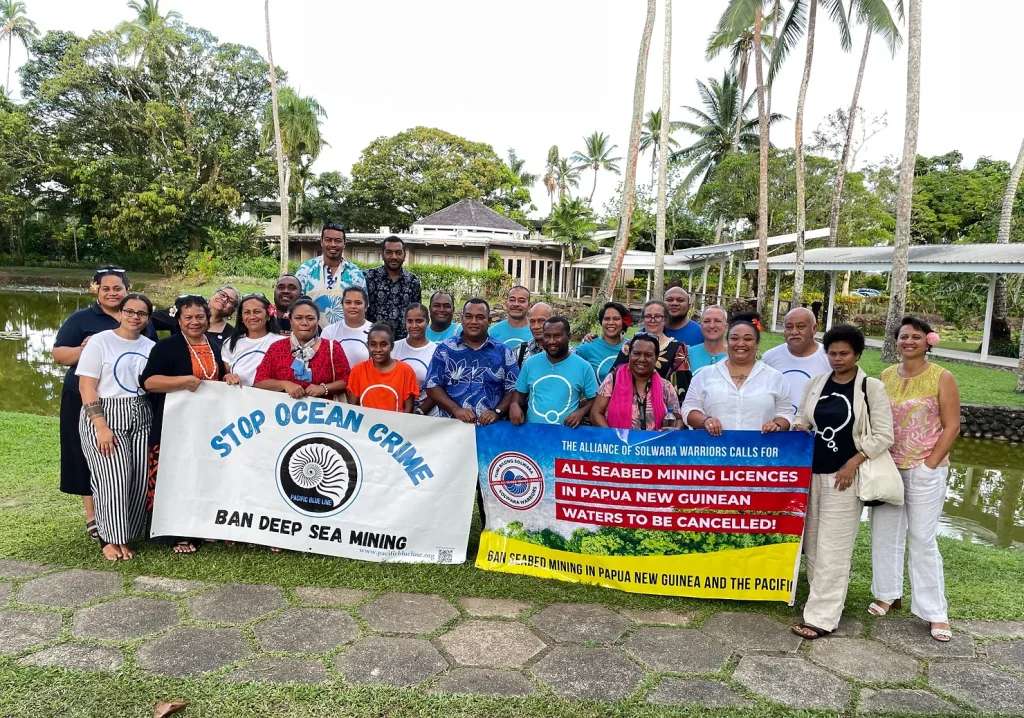
Ten Pacific Island nations, including Fiji, Palau, and Vanuatu, enacted a regional moratorium on deep-sea mining on November 4, 2025, citing irreversible ecological risks (SPC, 2024). The ban covers their exclusive economic zones, which hold vast polymetallic nodules sought for batteries.
Politically, this challenges the International Seabed Authority’s pro-mining stance. Pacific leaders argue the ocean is heritage, not a resource frontier.
Economically, they prioritize sustainable fisheries and tourism—worth $3.3 billion annually—over speculative mining revenues.
Ecologically, deep-sea ecosystems are poorly understood. Mining could destroy species that took millions of years to evolve.
Socially, communities fear contamination of fish stocks, their primary protein source.
Culturally, the ocean (moana) is sacred. As a Fijian elder stated, “You cannot mine the womb of the earth.”
The Pacific says: some places must remain untouched.
Argentina Launches National Care Economy Plan

Argentina activated its National Care Economy Plan on November 4, 2025, recognizing unpaid care work—performed mostly by women—as essential infrastructure (Ministry of Women, Argentina, 2024). The plan allocates 1% of GDP to build public childcare centers, eldercare facilities, and training for care workers.
Politically, this follows feminist movements like Ni Una Menos, which demanded economic recognition of care.
Economically, the IMF estimates the plan will boost female labor participation by 15%, adding 2% to GDP.
Ecologically, care infrastructure uses green design: solar water heaters, urban gardens, and bike access.
Socially, it reduces the “double shift” burden on women, enabling education and employment.
Culturally, it revalues cuidado (care) as the foundation of society, not an afterthought.
Argentina proves that economies thrive when care is central.