
Citation: CNN. (2025). The Holistic Daily Brief, November 3, 2025. Chitra News Network Website. https://chitra.info/news/the-holistic-daily-brief-november-3-2025/
COP30 Preparations Enter Final Phase as Brazil Advances Amazon Fund: A Holistic Crossroads for Global Climate Justice

As the world approaches the 30th Conference of the Parties (COP30) to the UN Framework Convention on Climate Change—officially scheduled for November 10–21, 2025, in Rio de Janeiro, Brazil—the stakes could not be higher. Brazil, under President Luiz Inácio Lula da Silva, has positioned itself as a renewed environmental leader, reactivating the Amazon Fund in 2023 with $1.2 billion in initial pledges from Norway and Germany (Government of Brazil, 2023). By mid-2024, the fund had already disbursed over $300 million to projects targeting deforestation monitoring, sustainable agroforestry, and Indigenous land protection (BNDES, 2024). Preliminary data from Brazil’s National Institute for Space Research (INPE) shows a 34% year-on-year reduction in Amazon deforestation between August 2023 and July 2024—the lowest rate in five years (INPE, 2024).
Yet this progress masks deep contradictions. While championing forest conservation, Brazil’s National Agency of Petroleum, Natural Gas and Biofuels (ANP) approved 17 new offshore oil blocks in the Foz do Amazonas basin in early 2024, a move environmental groups warn could devastate marine ecosystems and violate Indigenous rights (Observatório do Clima, 2024). This duality reflects a broader tension in global climate governance: forest protection is being prioritized while fossil fuel production continues unchecked. COP30’s success will hinge on whether it can transcend this compartmentalization.
From a political standpoint, Brazil’s COP30 presidency aims to center “ecological sovereignty” and Indigenous leadership. Over 400 Indigenous communities are expected to participate through the newly created “Indigenous Peoples’ Pavilion,” a formal space for co-creation of policy (APIB, 2024). However, geopolitical rivalries threaten unity. The United States and European Union continue to resist calls for a Fossil Fuel Non-Proliferation Treaty, instead promoting carbon markets and natural gas as “transitional” solutions. Meanwhile, the G77+China bloc, representing 134 developing nations, insists that climate justice requires not only finance but also debt cancellation and technology transfer without intellectual property barriers.
Economically, the scale of need is staggering. The UN Environment Programme (2024) estimates that developing countries require $2.4 trillion annually by 2030 for climate adaptation and mitigation—yet current flows total less than $100 billion. The Loss and Damage Fund, operationalized at COP28, remains critically underfunded, with only $700 million pledged against a need of $400 billion per year (UNEP, 2024). Brazil’s Amazon Fund, while significant, is a drop in the ocean.
Ecologically, time is running out. Scientists warn that the Amazon is nearing a tipping point: if deforestation exceeds 20–25%, the rainforest could collapse into savanna, releasing 200 billion tons of stored carbon (Lovejoy & Nobre, 2018; updated in INPE, 2024). Current deforestation stands at 19.3%, but degradation from logging and fire pushes the functional loss to 26% (INPE, 2024).
Socially, Indigenous peoples—who protect 80% of global biodiversity—are demanding more than participation. They seek legal recognition of territorial rights, direct access to climate finance, and veto power over extractive projects. In 2024, Brazil’s Supreme Court ruled in favor of the “Marco Temporal” cutoff, a devastating blow to land claims; however, massive protests forced the legislature to pass a counter-bill in June 2024, offering cautious hope (The Guardian, 2024).
Culturally, COP30 embodies a clash of worldviews. Western climate policy treats nature as a carbon sink to be managed. Indigenous cosmologies—like the Yanomami’s urihi (living forest)—see it as a sentient relative. As Kayapó leader Raoni Metuktire stated in 2024: “You speak of saving trees. We speak of saving relationships.”
COP30 in Rio is not merely a diplomatic event. It is a civilizational test: will the world choose systemic transformation rooted in justice, or continue with fragmented, market-friendly gestures that preserve the status quo?
Global AI Regulation Enters Enforcement Phase as EU AI Act Reshapes Tech Governance

On August 1, 2024, the European Union’s landmark AI Act entered its first phase of enforcement, marking the world’s first comprehensive legal framework to govern artificial intelligence. The law, formally adopted by the European Parliament on March 13, 2024, bans unacceptable-risk AI systems—including social scoring by governments, real-time remote biometric identification in public spaces, and emotion recognition in schools and workplaces—and imposes strict transparency and accountability requirements on high-risk applications such as hiring algorithms, credit scoring, and critical infrastructure management (European Parliament, 2024). Full compliance for high-risk systems is mandated by November 2025, aligning with the timeline of global AI governance summits in Seoul and Paris.
From a political perspective, the EU is positioning itself as a “normative power” that exports ethical standards through regulatory influence—a strategy known as the “Brussels Effect.” Unlike the United States, which relies on sectoral guidance and executive orders (such as President Biden’s October 2023 AI Executive Order), or China, which mandates algorithmic registration but permits state surveillance, the EU treats AI as a societal force requiring democratic oversight. This regulatory divergence is creating a tripolar AI governance landscape, with profound implications for global tech firms. Companies like Google, Meta, and Alibaba must now navigate incompatible compliance regimes, potentially fragmenting the digital single market.
Economically, the AI Act is a double-edged sword. The European Commission estimates that compliance will cost large firms an average of €6 million annually, potentially disadvantaging European startups against U.S. giants with deeper compliance budgets (European Commission, 2024). However, it also creates market opportunities: the EU’s “regulatory sandbox” system supports innovation in “trustworthy AI,” and public procurement now favors certified ethical providers. A 2024 study by the Centre for European Policy Studies found that 68% of EU AI startups view the law as a competitive advantage in global markets where trust is increasingly valued over speed.
Ecologically, AI’s footprint is rarely discussed in policy debates, yet it is staggering. Training a single large language model can emit over 300 tons of CO₂—equivalent to 60 internal combustion cars over their lifetimes (Luccioni et al., 2022). The AI Act indirectly addresses this by requiring high-risk systems to disclose energy consumption and environmental impact, though critics argue this is insufficient. As AI deployment scales in 2025, data centers could consume 8% of global electricity by 2030 (IEA, 2024), undermining climate goals unless powered by renewables.
Socially, the law’s most significant advance is its focus on labor and equity. It mandates human oversight in AI-driven hiring and workplace monitoring, responding to reports of algorithmic bias in recruitment tools that disproportionately reject women and ethnic minorities (AI Now Institute, 2023). Yet gaps remain: the Act does not regulate AI used in gig economy platforms, where algorithms dictate wages and deactivation without appeal—a blind spot affecting over 200 million workers globally (ILO, 2024).
Culturally, the AI Act reflects Europe’s philosophical tradition of human dignity as non-negotiable. It rejects the utilitarian logic that dominates Silicon Valley—where engagement and efficiency trump well-being—and instead embeds precaution, transparency, and redress into technological design. This stands in contrast to techno-optimist narratives in the U.S. and state-centric control models in China.
As the world enters the enforcement era of AI regulation, the EU’s experiment will determine whether democratic societies can harness AI’s benefits without surrendering autonomy, equity, or planetary boundaries. The stakes extend far beyond code—they concern the future of human agency itself.
Sudan’s Polycrisis Deepens: Famine, Conflict, and Climate Collapse Converge in Darfur
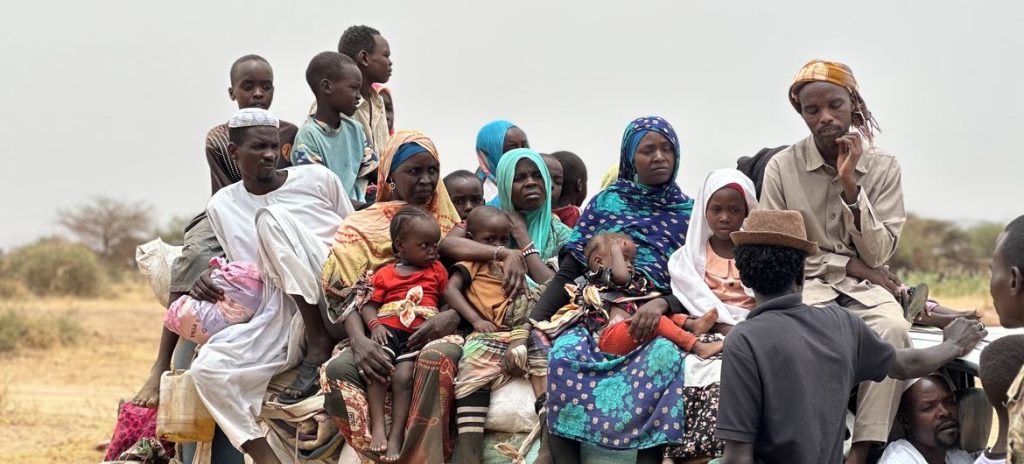
The war in Sudan, which erupted in April 2023 between the Sudanese Armed Forces (SAF) and the paramilitary Rapid Support Forces (RSF), has escalated into one of the world’s most severe humanitarian and geopolitical emergencies by late 2025. As of July 2024, the conflict has killed over 15,000 civilians, displaced 10.7 million people—nearly a quarter of the population—and pushed 18.7 million into acute food insecurity, according to the UN’s Integrated Food Security Phase Classification (IPC) report (OCHA, 2024; WFP, 2024). In West Darfur, conditions have deteriorated to the brink of famine (IPC Phase 5), with humanitarian access blocked for months due to RSF sieges and systematic attacks on aid convoys. The World Health Organization confirmed in June 2024 that cholera, measles, and acute malnutrition are spreading unchecked in displacement camps, with child wasting rates exceeding 30% in El Geneina and Zalingei (WHO, 2024).
This crisis cannot be understood through a single lens. It is a polycrisis—a convergence of armed conflict, climate disruption, economic collapse, and historical marginalization. Politically, Sudan has become a proxy battleground. The United Arab Emirates supplies the RSF with drones, weapons, and mercenaries via Chad and the Central African Republic, while Egypt provides air support and armored vehicles to the SAF (International Crisis Group, 2024). Despite repeated ceasefire agreements brokered by the African Union and IGAD, none have held, as external actors prioritize strategic influence over peace. The collapse of state authority has enabled ethnic militias to re-emerge, targeting Masalit and Fur communities in what the UN describes as “ethnic cleansing” (UN Human Rights Council, 2024).
Economically, the country is in freefall. The Sudanese pound has lost 92% of its value since 2023, trading at over 1,900 SDG to 1 USD on the black market (World Bank, 2024). Hyperinflation has rendered salaries worthless; a teacher’s monthly wage buys less than a bag of flour. Banking infrastructure in conflict zones has been destroyed, and foreign reserves are nearly exhausted. Agriculture—once the backbone of the economy—has collapsed due to land abandonment and fuel shortages, turning Sudan from a grain exporter into a dependent importer.
Ecologically, climate change acts as a threat multiplier. Darfur has experienced a 40% decline in average rainfall since 2000, with the 2023–2024 rainy season yielding less than 60% of normal precipitation (UNEP, 2024). This has devastated pastoralist livelihoods, intensifying competition over dwindling water and grazing land. Deforestation for firewood in displacement camps further degrades soil, creating a feedback loop of environmental and human insecurity.
Socially, the war has weaponized gender and identity. UN Women (2024) reports that 72% of displaced women and girls in Darfur have experienced sexual violence, often at checkpoints controlled by armed groups. Maternal mortality has tripled due to clinic closures. Education has collapsed: over 90% of schools in conflict-affected states are non-functional, affecting 4.5 million children.
Culturally, centuries-old systems of inter-ethnic coexistence—such as the Nawaab peace councils among Fur, Masalit, and Arab tribes—have been shattered by the militarization of identity. Heritage sites, including the royal tombs of the Sultanate of Darfur, have been looted or destroyed, erasing communal memory.
Holistically, Sudan’s tragedy reveals a global failure: humanitarian aid without political will, climate adaptation without justice, and peace without accountability is unsustainable. As the war enters its third year, the world must move beyond emergency bandages and confront the structural drivers of fragility—or watch Darfur become the graveyard of international indifference.
EU Corporate Sustainability Due Diligence Directive Enters Enforcement: Reshaping Global Supply Chains Through Legal Accountability
On July 1, 2024, the European Union’s Corporate Sustainability Due Diligence Directive (CSDDD) officially entered its implementation phase, marking a historic shift in how multinational corporations operate across global supply chains. After years of negotiation, the directive—adopted by the EU Council on May 24, 2024—requires companies with more than 1,000 employees and €450 million in net turnover to identify, prevent, mitigate, and account for adverse human rights and environmental impacts throughout their entire value chains, including upstream suppliers and downstream product use (European Commission, 2024). Full compliance for the largest firms begins in 2025, with civil liability provisions allowing affected communities in the Global South to sue parent companies in European courts—a provision hailed as a breakthrough in transnational justice.
Politically, the CSDDD represents the EU’s assertion of “regulatory sovereignty” in an era of fragmented global governance. It directly challenges the U.S. model of voluntary corporate social responsibility and China’s state-corporate fusion, positioning Europe as a normative power that embeds human rights and ecological limits into trade. The law mandates that companies align their strategies with the 1.5°C pathway of the Paris Agreement, effectively making climate compliance a legal duty. This has triggered pushback from business lobbies, yet it also strengthens the EU’s hand in trade negotiations, as seen in the updated Mercosur deal, which now includes binding sustainability chapters.
Economically, the directive is both a burden and an opportunity. The European Commission estimates compliance will cost large firms an average of €120,000 annually, with sectoral variations—textile and extractive industries facing the highest costs (EU Commission Impact Assessment, 2024). However, it also unlocks new markets: certified ethical supply chains can access premium consumers and public procurement contracts. Crucially, the law includes a “safe harbor” for companies that implement robust due diligence, shielding them from liability if harms occur despite reasonable efforts. This incentivizes proactive risk management over performative audits.
Ecologically, the CSDDD’s deforestation clause is transformative. Companies must prove that commodities like soy, palm oil, beef, cocoa, and rubber are not sourced from land deforested after December 31, 2020. Given that the EU imports 10% of globally traded deforestation-risk commodities, this could protect up to 5 million hectares of tropical forest by 2030, according to the European Forest Institute (2024). The law also requires reporting on water stress, biodiversity loss, and pollution, moving beyond carbon-centric metrics.
Socially, the directive empowers historically marginalized actors. Garment workers in Bangladesh, cobalt miners in the Democratic Republic of Congo, and Indigenous communities in the Amazon can now pursue legal remedies in Germany, France, or the Netherlands. To support this, the EU has allocated €50 million to legal aid networks in partner countries. However, critics warn that without accessible legal support and translation services, these rights may remain theoretical for many.
Culturally, the CSDDD reflects a European philosophical tradition that views the economy as embedded in society and nature, not as a separate sphere governed by profit alone. It rejects the neoliberal fiction of the “disembodied corporation” and instead treats businesses as social actors with responsibilities. This contrasts sharply with shareholder primacy models dominant elsewhere.
As enforcement begins in 2025, the CSDDD will test whether law can discipline capital—or whether loopholes and corporate lobbying will dilute its promise. Either way, it has already reshaped the global conversation: profit can no longer come at the cost of people or planet.
Japan Advances Fusion Energy with JT-60SA Operations, Betting on Long-Term Decarbonization

On October 27, 2023, Japan achieved a historic milestone in clean energy research when the JT-60SA tokamak—the world’s largest and most advanced superconducting nuclear fusion reactor—successfully generated its first plasma in Naka, Ibaraki Prefecture. A joint project between Japan’s National Institutes for Quantum Science and Technology (QST) and the European Union’s Fusion for Energy (F4E) program, the $700 million facility represents the most significant step yet toward proving the scientific and engineering feasibility of fusion energy (QST, 2023). By mid-2024, the reactor had already conducted over 50 experimental campaigns, testing plasma stability, magnetic confinement, and tritium breeding materials—critical steps toward the goal of net energy gain by 2035 (ITER Organization, 2024).
Politically, Japan’s fusion leadership is deeply tied to its post-Fukushima identity. After the 2011 nuclear disaster, public trust in fission energy collapsed, leading to the shutdown of all 54 reactors. Fusion, by contrast, carries no risk of meltdown, produces no long-lived radioactive waste, and uses fuel derived from seawater—making it a politically palatable path to energy sovereignty. The government’s 2023 Green Transformation (GX) Strategy identifies fusion as a “core pillar” of decarbonization, with plans to build a commercial pilot plant by 2035 and achieve grid connection by 2050 (METI, 2023). This positions Japan as a clean-tech leader amid intensifying U.S.-China competition in critical energy technologies.
Economically, the project is a public-private partnership. Kyoto Fusioneering, a Japanese startup backed by Mitsubishi Heavy Industries and Goldman Sachs, is developing key components like tritium fuel cycles and heat extraction systems. The government has committed $4.2 billion in public funding through 2030, with matching private investment expected to create over 12,000 high-skilled jobs in engineering, materials science, and robotics (METI, 2024). While fusion remains decades from commercialization, Japan sees it as a strategic hedge against fossil fuel volatility and a potential export industry.
Ecologically, fusion offers a near-ideal energy source: one kilogram of fusion fuel can produce energy equivalent to 10 million kilograms of coal, with zero CO₂ emissions during operation. The primary byproduct is helium, an inert gas. However, challenges remain: the reactor uses tritium, a radioactive isotope with a 12.3-year half-life, which must be carefully contained. The JT-60SA facility employs triple-redundant vacuum systems and real-time monitoring to prevent leaks—a critical concern given Japan’s nuclear trauma.
Socially, local communities in Naka have expressed cautious optimism. After decades of economic stagnation, the project brings investment and prestige. Yet public engagement is ongoing: QST holds monthly town halls, and independent scientists review safety data. Women’s groups have successfully advocated for gender-balanced hiring in technical roles, ensuring inclusivity in a traditionally male-dominated field.
Culturally, the project embodies a uniquely Japanese synthesis of cutting-edge science and post-disaster humility. It reflects Shinto reverence for natural harmony—technology not as domination, but as collaboration with elemental forces. As Dr. Yasuhisa Oya, a plasma physicist at QST, stated in 2024: “We are not trying to control the sun. We are learning to listen to it.”
While renewables must drive immediate decarbonization, Japan’s fusion bet represents a civilizational commitment to intergenerational responsibility—a belief that today’s science can light tomorrow’s world without burdening the Earth.
Mexico Replaces GDP with Multidimensional Wellbeing Index: Redefining Progress Beyond Growth

In a historic policy shift, Mexico’s federal government launched its National Wellbeing Strategy (Estrategia Nacional de Bienestar) in June 2024, formally initiating a transition away from Gross Domestic Product (GDP) as the primary measure of national progress. Spearheaded by President Claudia Sheinbaum’s administration and developed in collaboration with the National Institute of Statistics and Geography (INEGI), the framework integrates 32 indicators across five domains: material living conditions, health, education, environmental quality, and subjective wellbeing—with special emphasis on gender equity, Indigenous rights, and community safety (Government of Mexico, 2024). By law, all federal budget allocations from 2025 onward will be guided by wellbeing scores rather than economic growth targets, making Mexico the first large Latin American nation to institutionalize post-GDP governance.
Politically, this move is a direct challenge to neoliberal orthodoxy that has dominated Mexican economic policy since the 1980s. It aligns with President Sheinbaum’s “Fourth Transformation” agenda, which prioritizes social justice, ecological balance, and anti-corruption. The strategy explicitly incorporates Indigenous concepts such as buen vivir (living well in harmony with community and nature), drawn from Maya, Zapotec, and Nahua worldviews. This is not symbolic: 12% of the wellbeing indicators are co-designed with Indigenous councils, including measures of territorial integrity, linguistic vitality, and ceremonial access to sacred sites (INEGI, 2024).
Economically, the shift redirects public investment toward historically undervalued sectors. Regions scoring low on clean water access, mental health services, or gender-based violence prevention will receive priority funding—even if their GDP per capita is high. Early simulations by the Finance Ministry project a $7.8 billion annual reallocation toward care infrastructure, urban green spaces, and rural healthcare by 2026 (Secretaría de Hacienda, 2024). The strategy also recognizes unpaid care work—performed overwhelmingly by women—as essential to societal functioning, a first in national accounting.
Ecologically, the framework penalizes environmental degradation. Municipalities with high air pollution (e.g., Mexico City), deforestation rates (e.g., Chiapas), or water stress (e.g., Sonora) receive lower wellbeing scores, creating fiscal incentives for regenerative policies. The strategy mandates that all infrastructure projects undergo a “wellbeing impact assessment,” which includes biodiversity and climate resilience metrics.
Socially, the inclusion of subjective wellbeing—measured through annual national surveys on life satisfaction, social trust, and sense of purpose—validates emotional and psychological dimensions of poverty often ignored in traditional metrics. Pilot programs in Oaxaca show that communities with high social cohesion but low income now receive equitable funding, reversing decades of urban bias.
Culturally, this redefinition of progress resonates with Latin America’s long-standing critique of Western development models. Thinkers like Bolivian economist Luis Tapia and Mexican philosopher Enrique Dussel have long argued that GDP measures extraction, not flourishing. Mexico’s strategy asserts that a nation’s wealth lies not in its stock markets, but in its people’s health, its ecosystems’ resilience, and its communities’ solidarity.
While challenges remain—including data gaps in remote regions and resistance from GDP-dependent international financial institutions—Mexico’s experiment offers a powerful alternative: an economy that serves life, not capital.
Pakistan Faces Renewed Climate Catastrophe as Monsoon Floods Intensify Amid Global Inaction on Loss and Damage
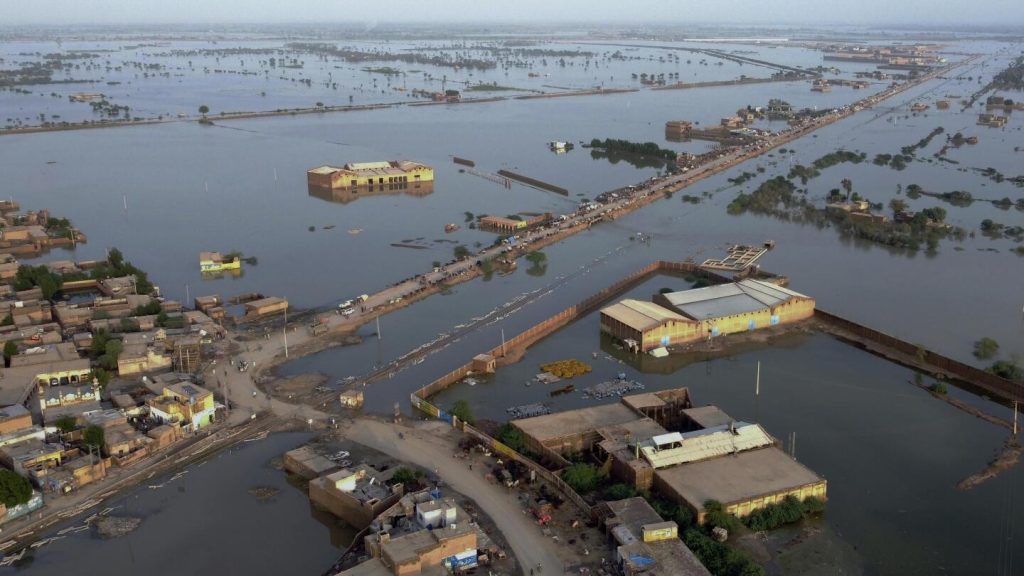
In September 2024, Pakistan experienced its second major monsoon flooding event in three years, submerging ten districts across Sindh and Balochistan provinces, displacing over 300,000 people, and destroying $1.2 billion worth of crops, including 80% of the cotton harvest in key agricultural zones (UN Office for the Coordination of Humanitarian Affairs [OCHA], 2024). Coming just two years after the 2022 floods that killed 1,739 people and caused $30 billion in damage, this latest disaster underscores a brutal reality: Pakistan—a nation contributing less than 1% of global greenhouse gas emissions—is now enduring climate impacts at a frequency and intensity that defy historical norms. With glacial melt from the Hindu Kush accelerating river flows and sea-level rise pushing saltwater into the Indus Delta, scientists warn such “compound events” will become annual by 2025–2026 (World Bank, 2024).
Politically, Pakistan is leveraging its suffering to demand climate reparations. At the UN General Assembly in September 2024, Prime Minister Shehbaz Sharif called for a global tax on fossil fuel profits to fund the newly operationalized Loss and Damage Fund, arguing that “those who profited from pollution must pay for the wreckage.” Pakistan, along with the Climate Vulnerable Forum (CVF), is pushing for the fund to be grant-based, not loan-dependent, and directly accessible to local communities—a direct challenge to the World Bank’s proposed management model, which imposes stringent fiduciary controls (CVF, 2024). Yet geopolitical realities complicate advocacy: Western donors, facing domestic fiscal pressures, have pledged only $700 million to the fund against an estimated annual need of $400 billion (UNEP, 2024).
Economically, the floods threaten Pakistan’s fragile recovery. Cotton is the backbone of the textile industry, which accounts for 15% of GDP and 40% of exports. Factory closures due to crop shortages could cost 500,000 jobs, mostly held by women. Food inflation, already at 32%, is projected to spike further, deepening poverty. The State Bank warns of a potential balance-of-payments crisis if emergency aid and debt relief are not secured by early 2025.
Ecologically, the Indus River system—once a lifeline—is now a vector of destruction. Deforestation in upland areas (only 5% forest cover remains in Sindh) has reduced natural water absorption, while decades of unregulated sand mining have destabilized riverbanks. Saltwater intrusion from the Arabian Sea has rendered 1.2 million hectares of farmland infertile, displacing coastal communities (IUCN, 2024).
Socially, the human toll is staggering. Women and children comprise 70% of the displaced, with limited access to sanitation, maternal healthcare, or safe shelter. In makeshift camps, child marriage rates have surged as families seek to reduce economic burdens. Girls are being pulled out of school permanently, reversing decades of educational gains.
Culturally, the floods are erasing heritage. Sufi shrines in Sindh—centuries-old centers of spiritual and communal life—have been submerged repeatedly, severing ties to collective memory. Local poets and musicians now document loss through kafi and waee folk traditions, framing the disaster not as natural, but as structural violence.
Holistically, Pakistan’s crisis epitomizes the moral bankruptcy of climate delay. Until the Global North accepts historical responsibility and delivers unconditional finance, vulnerable nations will pay with lives, not just livelihoods.
African Union Scales Continental Carbon Market to Counter Green Colonialism and Reclaim Ecological Sovereignty
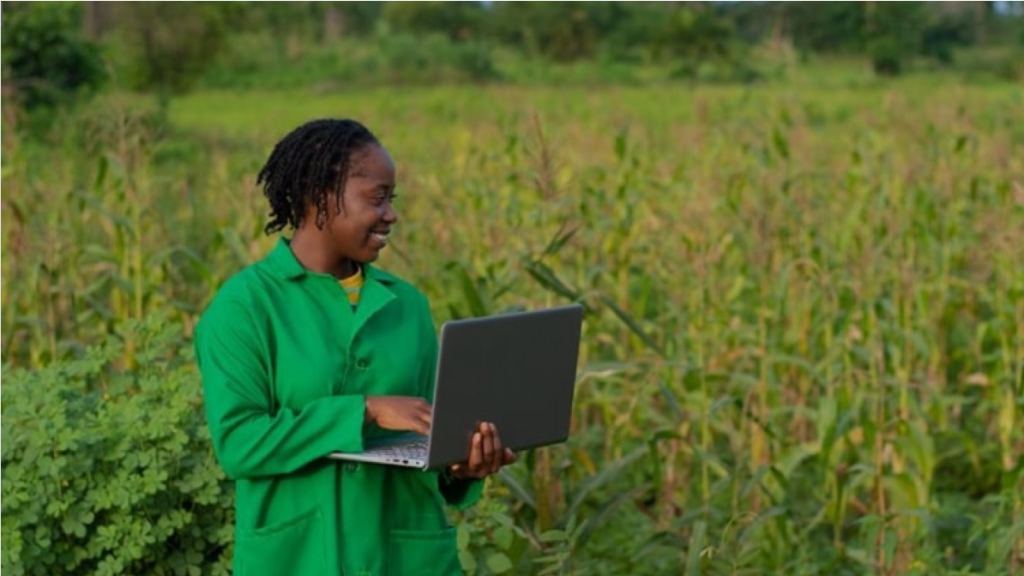
In a landmark move to reclaim agency over climate finance, the African Union (AU) officially launched Phase 2 of the Africa Carbon Markets Initiative (ACMI) in June 2024, establishing the continent’s first sovereign, transparent, and community-centered carbon trading platform. Building on commitments made at COP28 in December 2023, ACMI 2.0 enables African nations to collectively price, verify, and trade high-integrity carbon credits while ensuring that at least 70% of revenue flows directly to local communities and governments—a sharp departure from historical models where Western intermediaries captured up to 90% of value (African Union Commission, 2024). By mid-2024, 22 countries had joined, with flagship projects underway in the Congo Basin, Kenya’s Chyulu Hills, and Gabon’s rainforests, generating over $450 million in verified credit sales in the first half of the year (AfDB, 2024).
Politically, ACMI 2.0 is a direct response to what scholars and civil society groups call “green colonialism”—the practice of Global North entities profiting from conservation on African land without local consent, benefit, or control. The initiative mandates Free, Prior, and Informed Consent (FPIC) for all projects, aligning with the UN Declaration on the Rights of Indigenous Peoples. It also establishes an African Carbon Standards Board, headquartered in Addis Ababa, to certify methodologies and prevent greenwashing. This asserts Africa’s right to define its own ecological future, countering decades of externally imposed conservation models that displaced communities and criminalized traditional land use.
Economically, the potential is transformative. The African Development Bank (AfDB) projects that a well-governed continental carbon market could generate $12 billion annually by 2030, funding renewable microgrids, regenerative agriculture, and community health clinics (AfDB, 2024). In Kenya, Maasai conservancies participating in ACMI now earn direct income from carbon sales, with 60% of leadership roles held by women. In the Democratic Republic of Congo, revenue from peatland protection funds ranger salaries and anti-poaching units, reducing reliance on foreign aid.
Ecologically, ACMI prioritizes biodiversity-rich, native-species restoration over monoculture plantations that degrade soil and water. Verified credits are only issued for projects that enhance ecosystem resilience—such as agroforestry systems that intercrop fruit trees with food crops or mangrove rehabilitation that buffers coastlines from sea-level rise. This stands in stark contrast to low-quality offset schemes criticized for inflating carbon claims.
Socially, the model empowers rural communities as stewards, not subjects. In Gabon, village assemblies decide how carbon revenues are spent—whether on schools, clean water, or cultural festivals. Youth training programs in drone monitoring and GIS mapping create green jobs while strengthening local governance. Crucially, ACMI prohibits land grabs: carbon projects cannot displace communities or restrict access to ancestral resources.
Culturally, the initiative validates African ecological knowledge. Traditional fire management in savannas, seed-saving practices among Baka forest guardians, and sacred grove protection are integrated into carbon methodologies. This counters the myth that conservation requires Western science alone. As AU Commissioner for Rural Economy Josefa Sacko stated in 2024: “Our forests are not carbon stocks. They are our libraries, our pharmacies, our churches.”
As COP30 approaches, ACMI 2.0 offers a decolonial blueprint for climate finance—proving that Africa can lead in planetary healing while asserting its right to development, dignity, and self-determination.
Antimicrobial Resistance Reaches Crisis Threshold: A One Health Emergency Demanding Systemic Reform
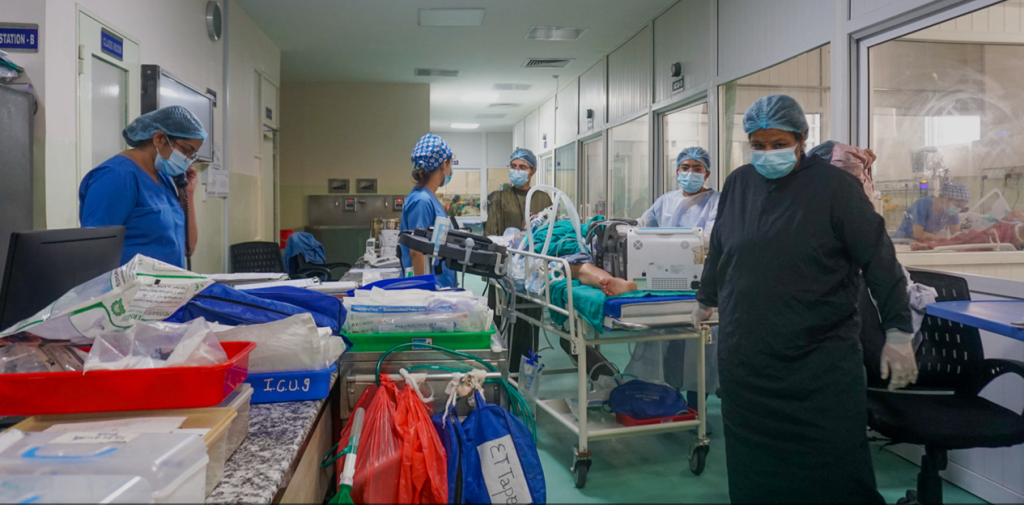
In April 2024, the World Health Organization (WHO) issued its most urgent warning yet on antimicrobial resistance (AMR), declaring it a “silent pandemic” that now causes 1.27 million deaths annually—surpassing HIV/AIDS and malaria combined—and is on track to claim 10 million lives per year by 2050 without transformative action (WHO, 2024). The crisis stems from the rampant overuse of antibiotics in human medicine and industrial livestock farming, weak regulatory systems, and the collapse of pharmaceutical innovation. Critically, AMR is not a medical issue alone; it is a One Health emergency, where human, animal, and environmental systems are inextricably linked. As resistant genes circulate through soil, water, and food chains, the boundary between hospital and ecosystem dissolves.
Politically, global governance remains fragmented. While the European Union banned antibiotic growth promoters in livestock in 2006, the United States still permits widespread non-therapeutic use—administering 73% of all antibiotics sold to otherwise healthy animals in crowded feedlots (FDA, 2024). In low- and middle-income countries, weak regulation allows expired or substandard antibiotics to flood markets. A 2024 investigation by the Bureau of Investigative Journalism found that multinational pharmaceutical companies routinely dump near-expiry antibiotics in Ghana and Bangladesh, accelerating resistance (TBIJ, 2024). Despite a 2016 UN General Assembly declaration, no binding international treaty on AMR exists, unlike the frameworks for climate or tobacco.
Economically, the consequences are staggering. The World Bank (2017) projects that AMR could cost the global economy $100 trillion by 2050 and push 24 million people into extreme poverty, with low-income countries bearing 90% of the burden. Routine surgeries, cancer chemotherapy, and organ transplants become high-risk without effective antibiotics. In India, where second-line antibiotics can cost a month’s wages, families often resort to incomplete or counterfeit treatments, fueling further resistance.
Ecologically, industrial agriculture is the primary driver. Manure from antibiotic-laden livestock contaminates rivers and groundwater, creating reservoirs of resistant genes that cycle back into human populations through drinking water and produce. A 2024 study in Nature found that 80% of rivers in Southeast Asia contain detectable levels of resistant bacteria (Nature, 2024). Even wastewater treatment plants—designed to purify water—often fail to remove resistant pathogens, releasing them into ecosystems.
Socially, marginalized communities suffer most. In Brazilian favelas, self-medication with leftover prescriptions is common due to limited healthcare access. In rural India, farmers use veterinary antibiotics to treat family illnesses because human medicines are unaffordable. Women and children face higher exposure due to caregiving roles and weaker immune systems.
Culturally, the “quick fix” ethos of modern medicine clashes with traditional healing systems that emphasize prevention and balance. Yet many Indigenous herbal remedies—such as neem in South Asia or Artemisia afra in Africa—show promise as antibiotic alternatives but receive less than 0.1% of global R&D funding (WHO, 2024).
Holistically, curbing AMR requires transforming food systems, strengthening public health infrastructure, regulating pharmaceutical trade, and investing in alternative therapies. As Dr. Tedros Adhanom Ghebreyesus, WHO Director-General, stated in 2024: “Without urgent action, we are heading for a post-antibiotic era where a paper cut could be fatal.” The solution lies not in new drugs alone, but in reimagining our relationship with microbes, medicine, and the web of life.
Indigenous-Led Reforestation Transforms Brazil’s Atlantic Forest: A Decolonial Model for Ecological Restoration
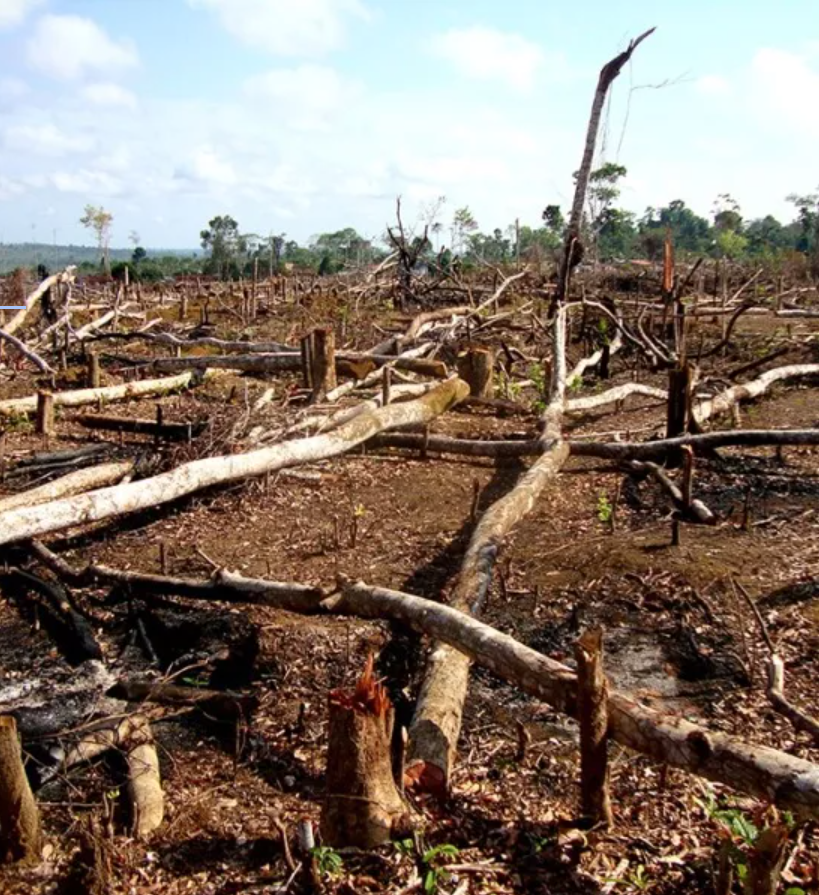
In a quiet revolution unfolding across southeastern Brazil, Indigenous and traditional communities have restored over 850,000 hectares of the Atlantic Forest as of May 2024—nearing the historic milestone of 1 million hectares by late 2025 (Instituto Socioambiental, 2024). This effort, coordinated through the Atlantic Forest Restoration Pact and led by Guarani, Tupiniquim, Quilombola, and traditional caiçara communities, represents the largest tropical reforestation initiative in human history. Unlike top-down conservation models, this movement blends ancestral ecological knowledge with modern science, using native seed networks, agroforestry corridors, and community nurseries to revive an ecosystem once reduced to just 12% of its original 150 million hectares.
Politically, this reforestation is an act of territorial reclamation. The Atlantic Forest spans 17 Brazilian states and is home to 70% of the country’s population, making it a battleground between agribusiness expansion and community rights. By legally titling restored areas as Indigenous or Quilombola territories, communities assert sovereignty against illegal logging and land grabs. In 2023, Brazil’s Supreme Court ruled in favor of Indigenous land rights in the Xokleng case, strengthening legal protections—a victory that has accelerated restoration efforts in Santa Catarina and Paraná (The Guardian, 2023). The movement also challenges the myth that conservation requires exclusion; instead, it proves that people and forests thrive together.
Economically, the initiative generates $15 million annually in green livelihoods. Community seed collectors earn fair wages for gathering native species like jequitibá, ipê, and palmito juçara. Agroforestry systems intercrop fruit trees with cassava and beans, providing food security while restoring soil. The sale of non-timber forest products—such as açaí, honey, and medicinal plants—funds schools and clinics. In Espírito Santo, a women’s cooperative now exports certified organic essential oils to Europe, demonstrating that ecological integrity and economic dignity are compatible.
Ecologically, the results are transformative. Biodiversity has increased by 35% in restored zones, with the return of endangered species like the woolly spider monkey (muriqui) and the red-tailed parrot. Native trees fix nitrogen, improve water retention, and create microclimates that buffer against drought—critical as southeastern Brazil faces intensifying dry spells (Fundação SOS Mata Atlântica, 2024). Unlike monoculture plantations, these mosaics enhance landscape connectivity, allowing wildlife to migrate and genes to flow.
Socially, the project is reversing rural exodus. Youth who once migrated to cities for work are returning to learn ancestral land stewardship, creating intergenerational knowledge transfer. In Guarani communities, elders teach planting calendars aligned with lunar cycles, while youth use drones to monitor growth—a fusion of tradition and technology. Mental health improves as communities reconnect with land, countering the trauma of displacement.
Culturally, this is ecological and spiritual healing. The Guarani concept of Tekó Porã—the “good, beautiful, true life”—frames restoration not as technical intervention, but as rebalancing relationships between humans, plants, animals, and the sacred. Ceremonies, storytelling, and seed blessings are integral to the process. As Guarani leader Nhandewa Mirim stated in 2024: “We do not ‘save’ the forest. We remember that we are part of it.”
Globally, this model offers a decolonial blueprint for climate action—one rooted in justice, reciprocity, and kinship with the living world.